Product description
Needlestick injuries are among the most common occupational accidents in the healthcare sector. In the Netherlands alone, an estimated 25,000 to 30,000 needlestick injuries occur each year. These incidents not only cause stress and uncertainty for healthcare professionals, but also lead to additional healthcare costs, absenteeism and a risk of transmission of serious infectious diseases such as hepatitis B, hepatitis C and HIV.¹
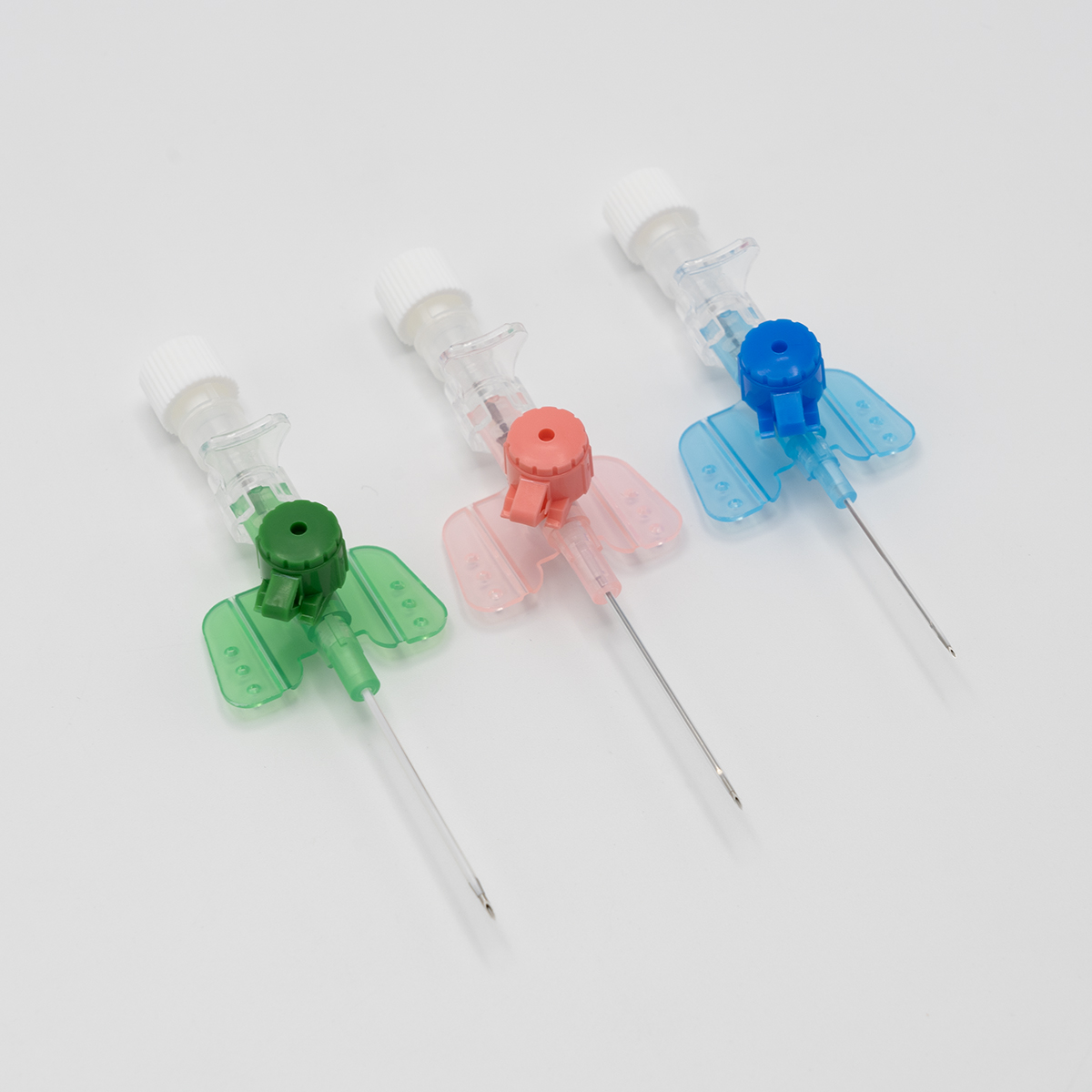
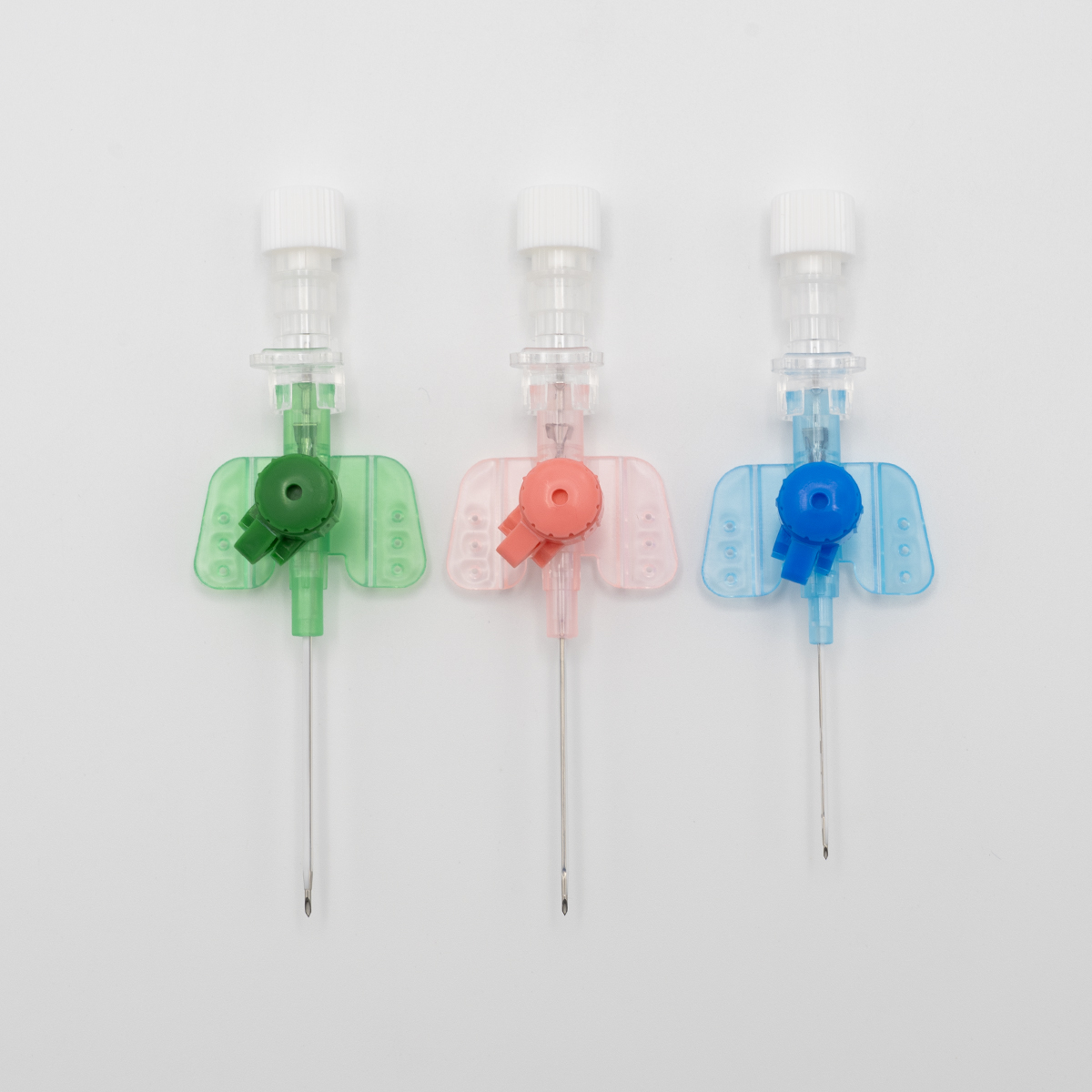
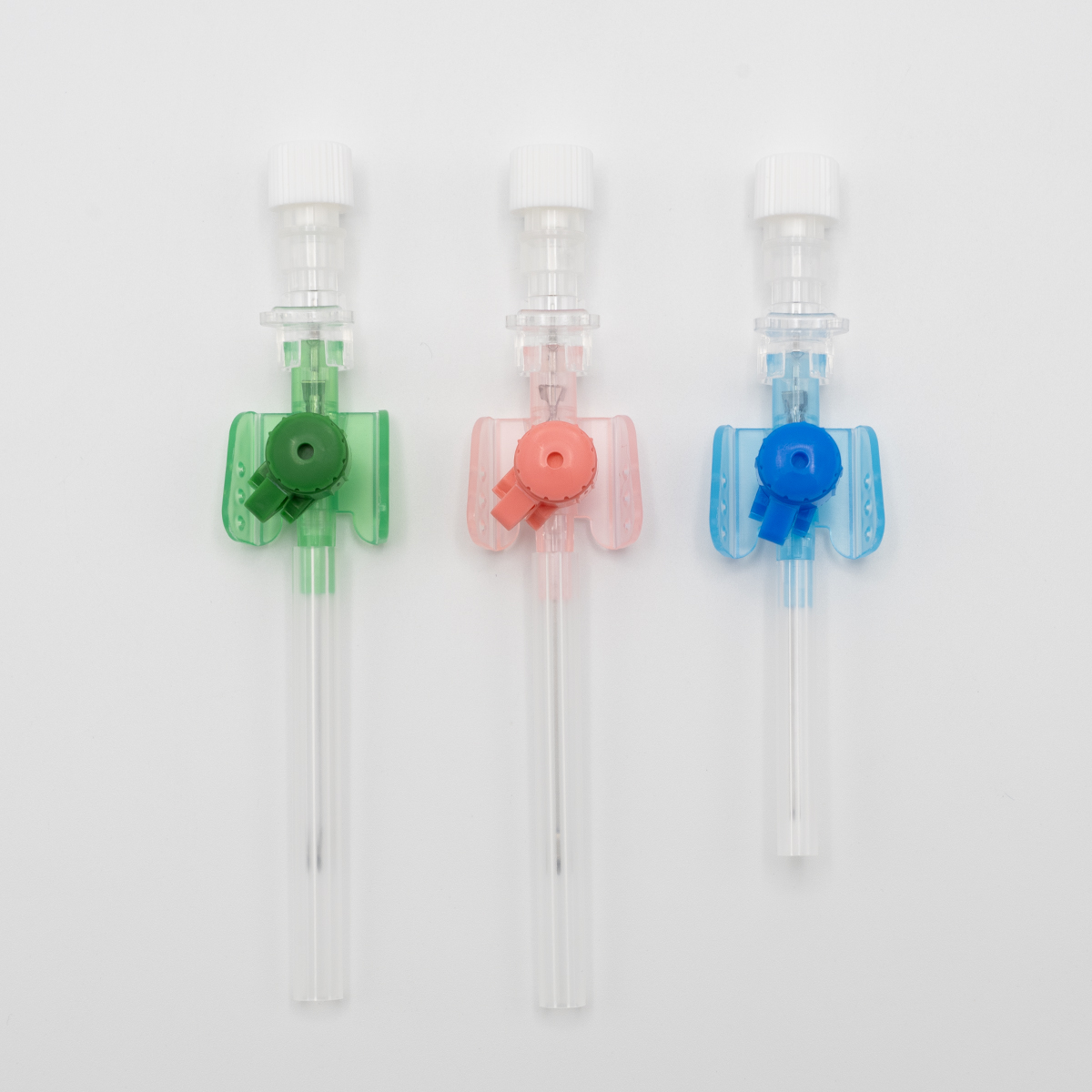
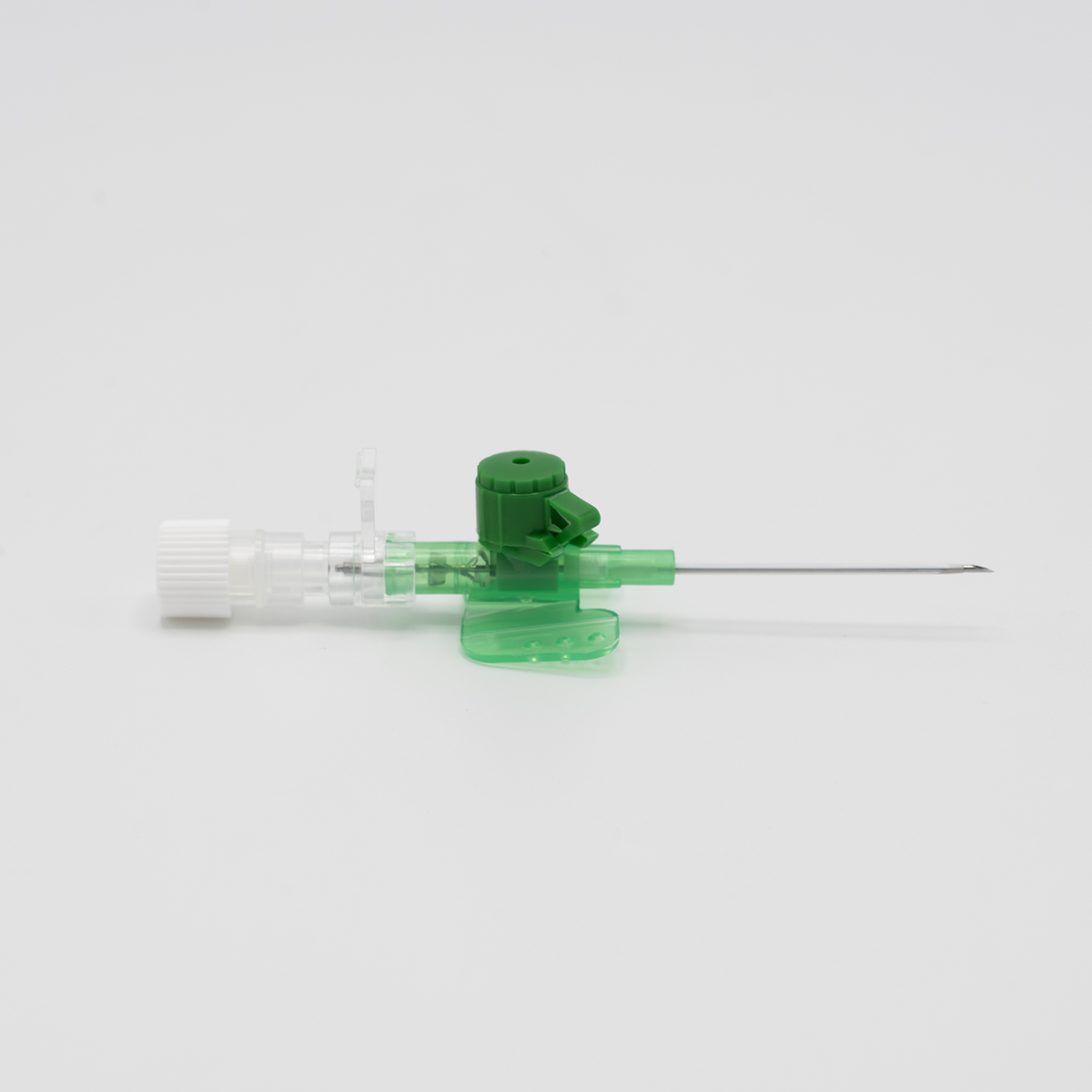
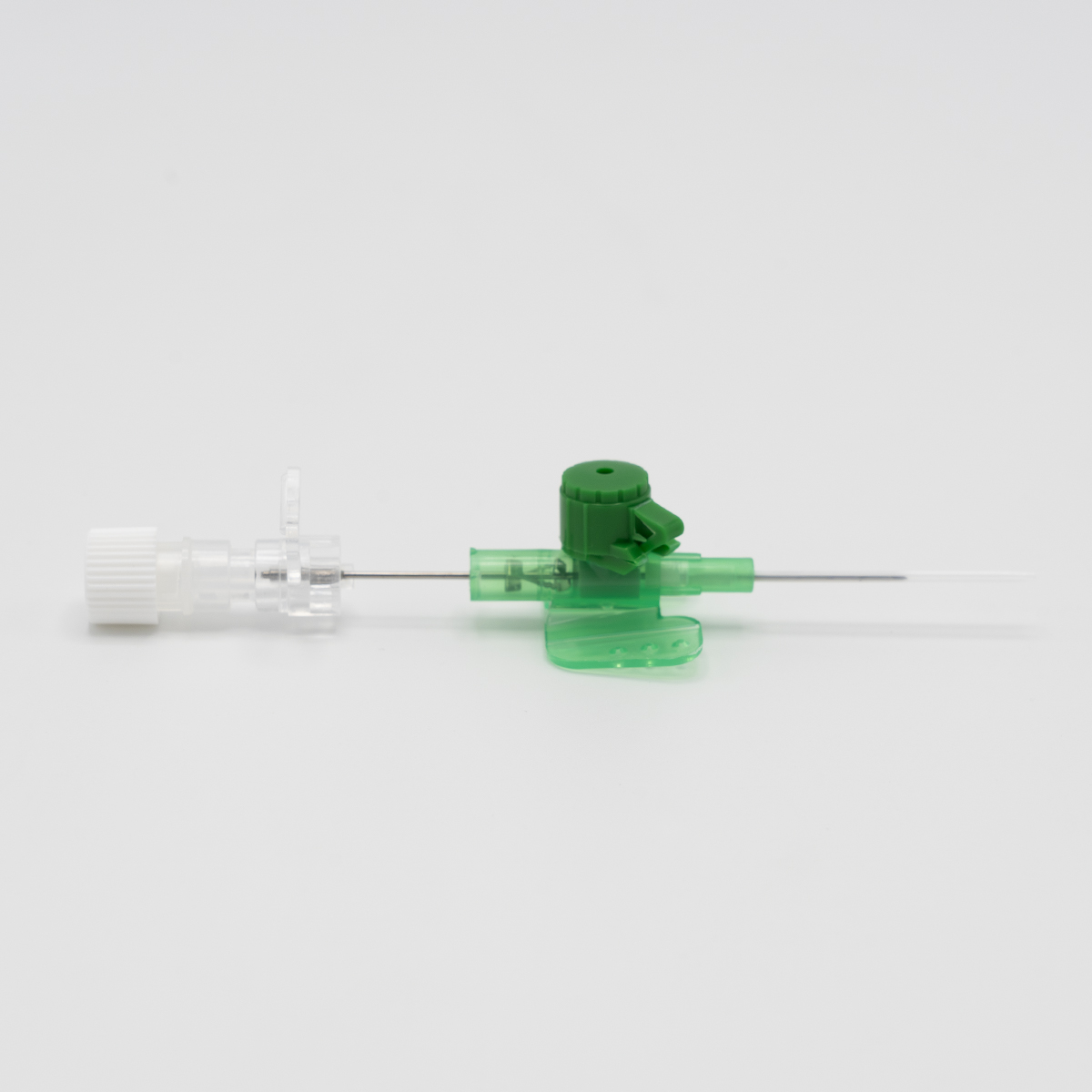
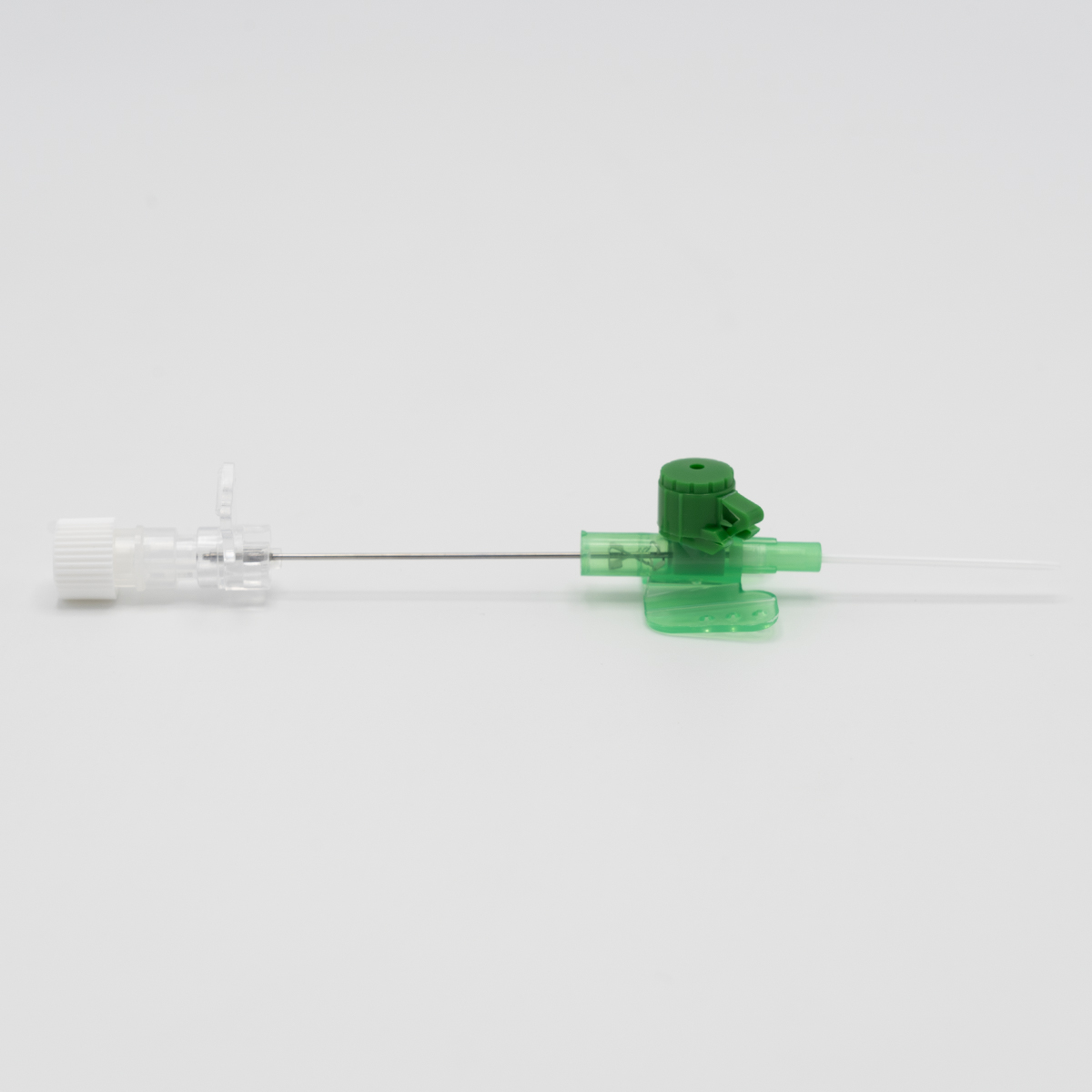
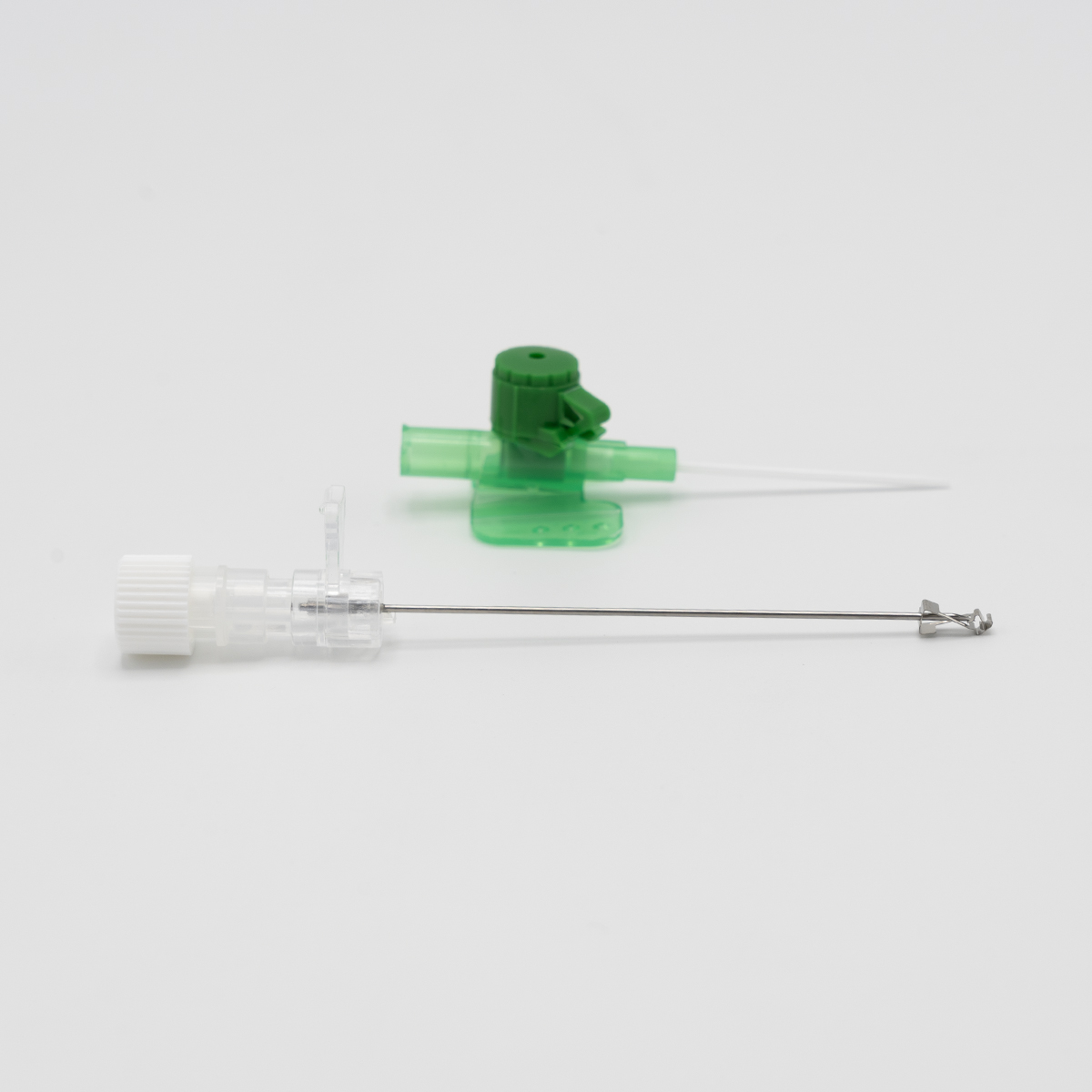
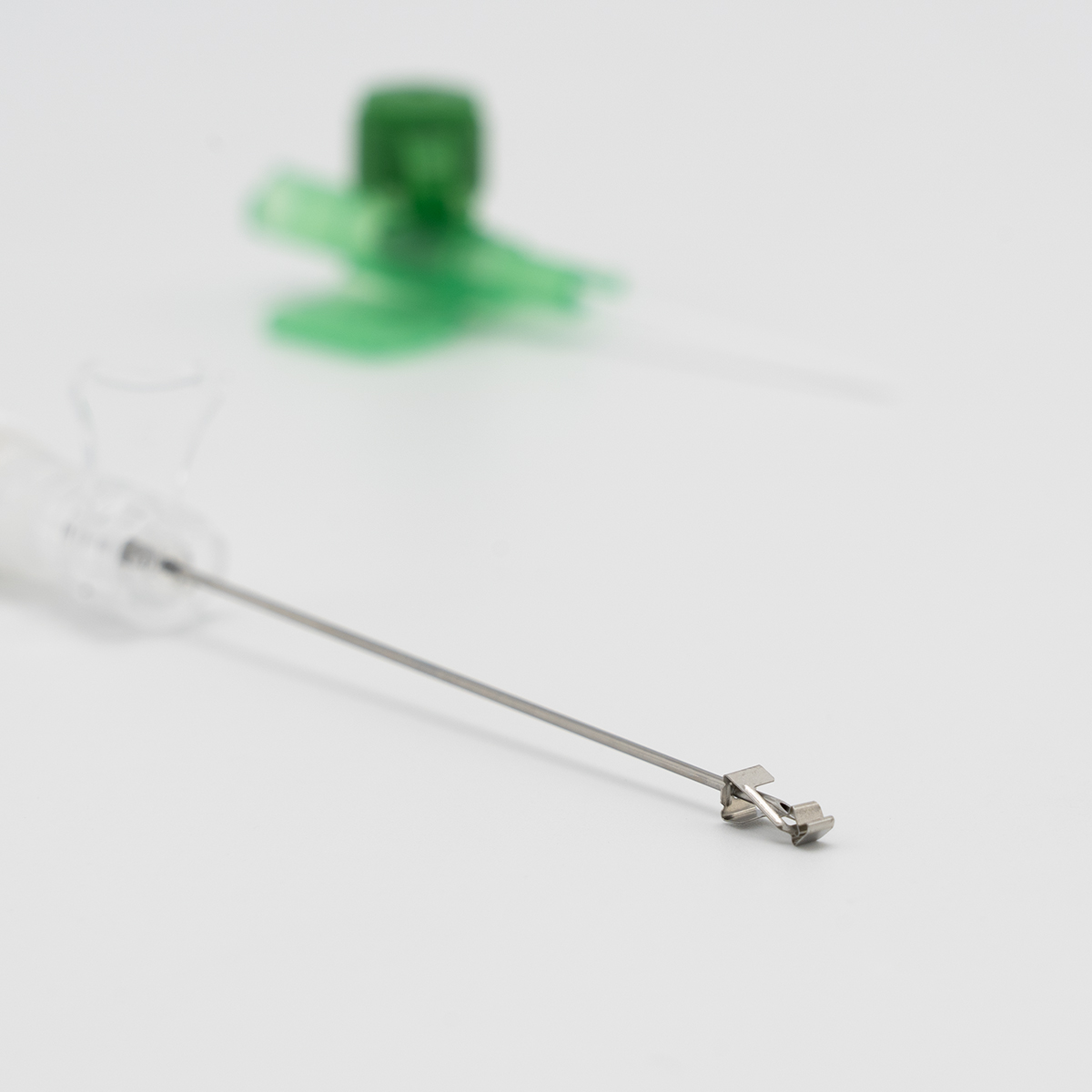
To address this specific risk, the VenoFlow™ VFS-1 offers optimal comfort and safety for the user. This product is equipped with an automatic safety mechanism that covers the sharp tip of the needle, thereby protecting the user from the potentially unpleasant consequences of an accidental needlestick injury.
All available sizes are identified by a color code in accordance with applicable international standards for optimal recognition. The cannula is made of high-quality polyurethane (PUR), a hypoallergenic material that ensures maximum comfort. Thanks to the thermosensitive properties of PUR, the cannula becomes softer and more flexible at body temperature after insertion, promoting better adaptation to the vessel wall and reducing the risk of mechanical irritation and phlebitis.²
The VenoFlow™ VFS-1 safety cannulas are available in a very wide range of gauges and lengths. You will find all available product codes in the product table of this brochure.
Additional specifications
- Latex-, DEHP- and PVC-free
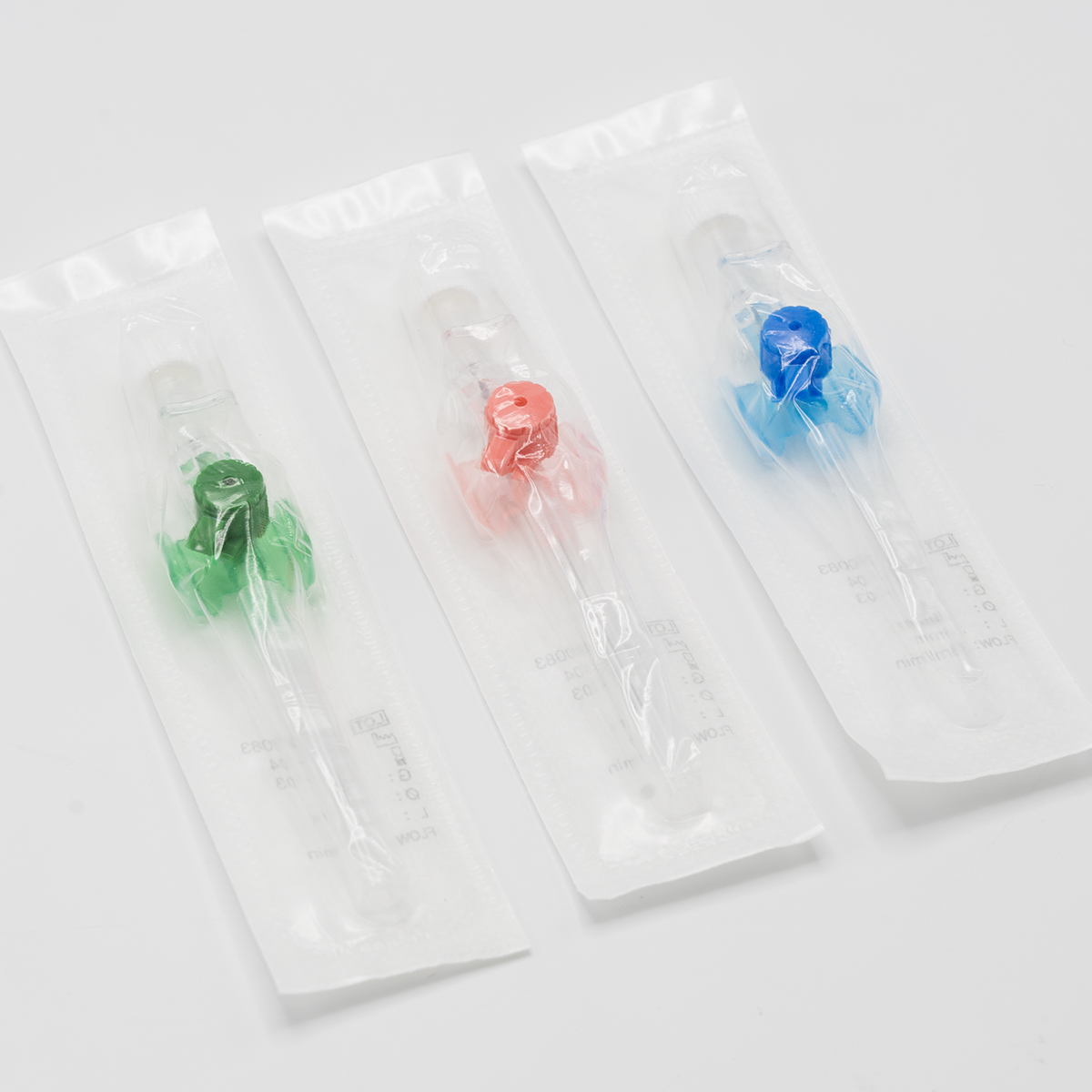
- Individually packed in a high-quality sterile Tyvek® blister.
- The IV cannula is MRI-compatible.
¹ National Institute for Public Health and the Environment (RIVM). Needle stick injuries | National guideline. Bilthoven: RIVM; 2019
² Blanco-Mavillard I, Rodríguez-Calero MÁ, de Pedro-Gómez J, Parra-García G, Fernández-Fernández I, Castro-Sánchez E. Best practice in the use of peripheral venous catheters: A scoping review and expert consensus. Int J Nurs Stud Adv. 2023;5:100084.