Product description
Why VenoFlow™ CloSys™?
Healthcare professionals are exposed to two major risks when inserting an intravenous catheter:
- exposure to the patient’s blood¹⁻²;
- needlestick injuries³.
In addition to these risks for healthcare professionals, there is also an important risk for the patient: inflammation of the vein, better known as phlebitis. In the Netherlands in 2024, 17.8% of the patients surveyed showed at least one symptom of phlebitis, and 5.8% had clinically significant phlebitis.⁴ Mechanical phlebitis is one of the most common forms.⁵
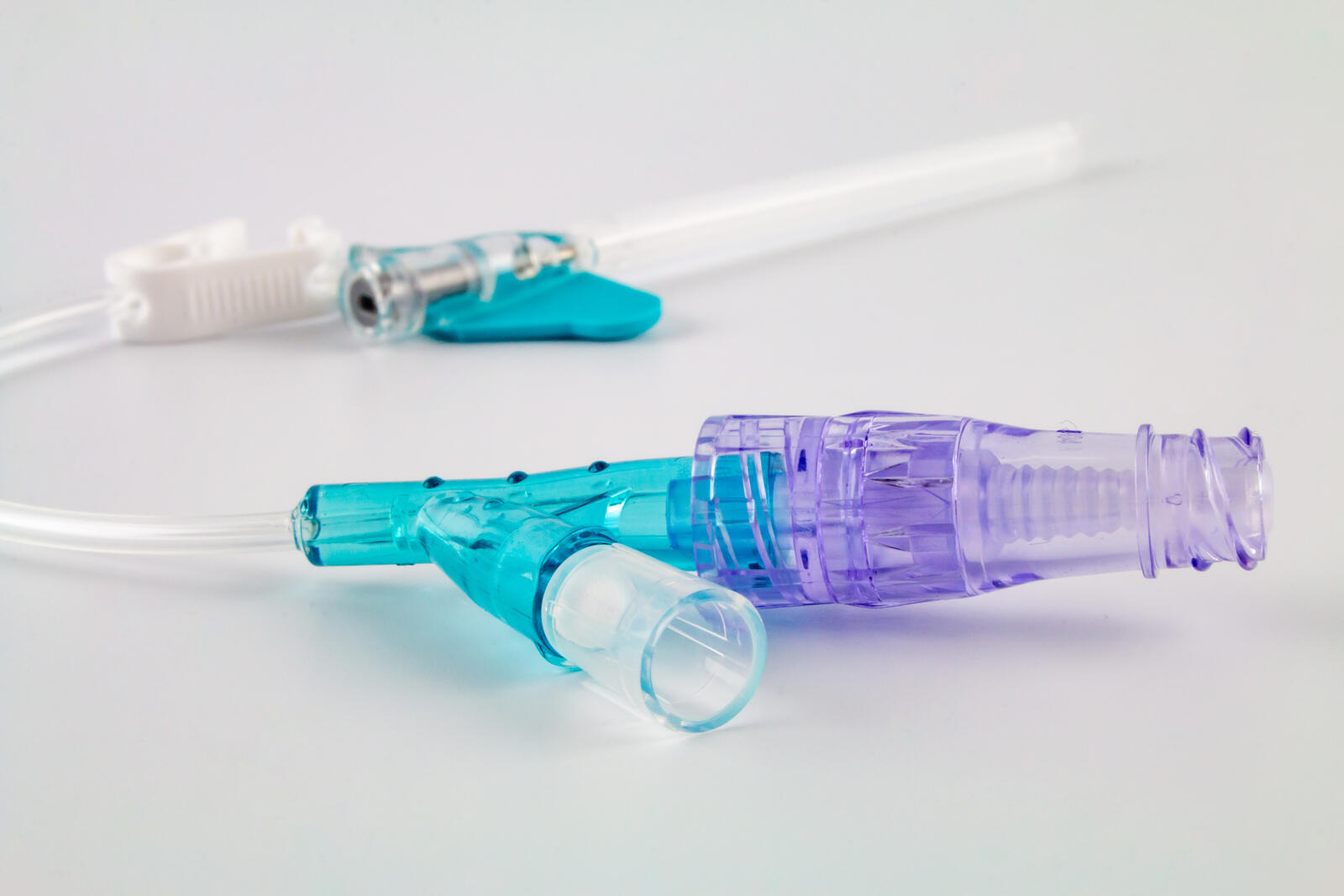
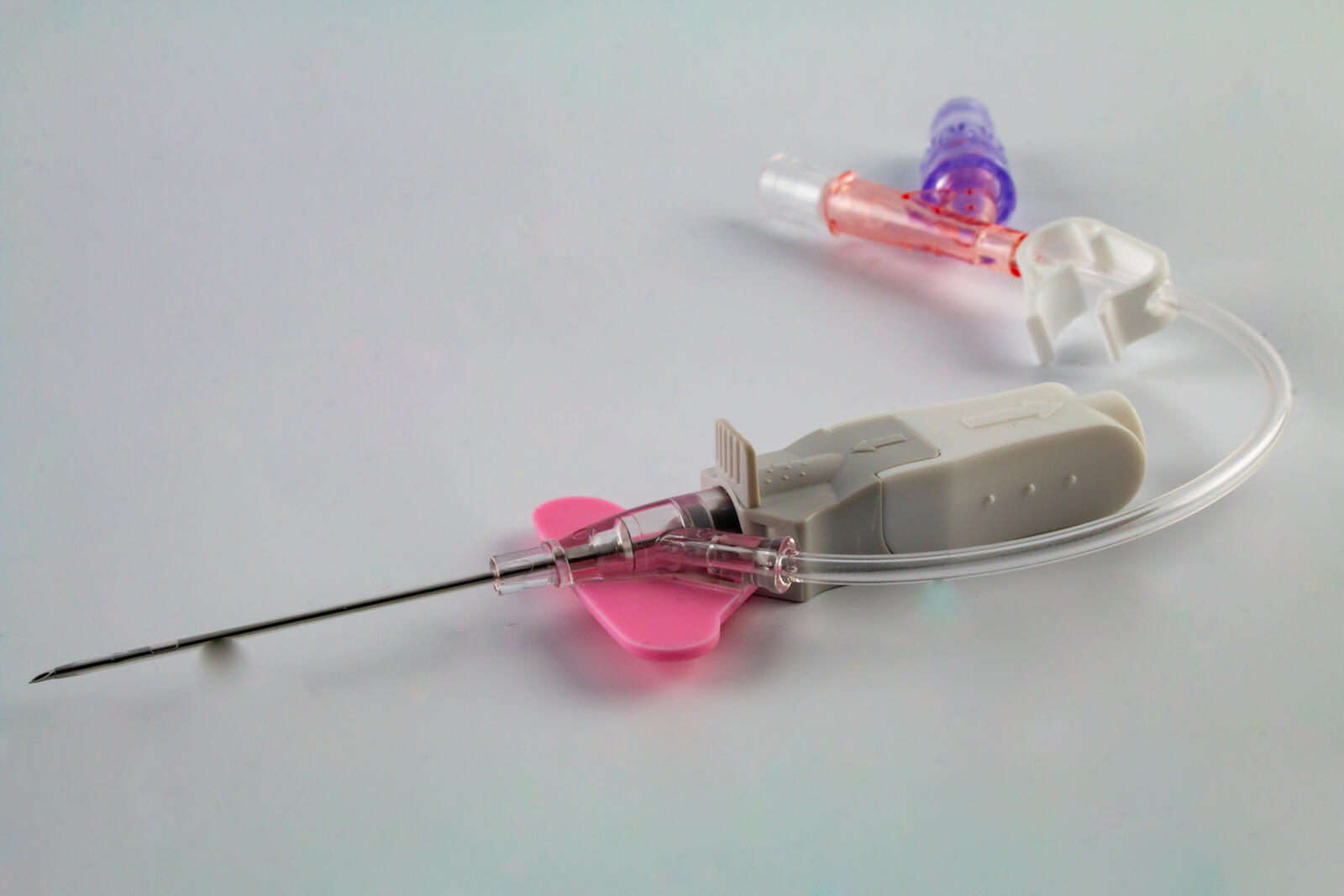
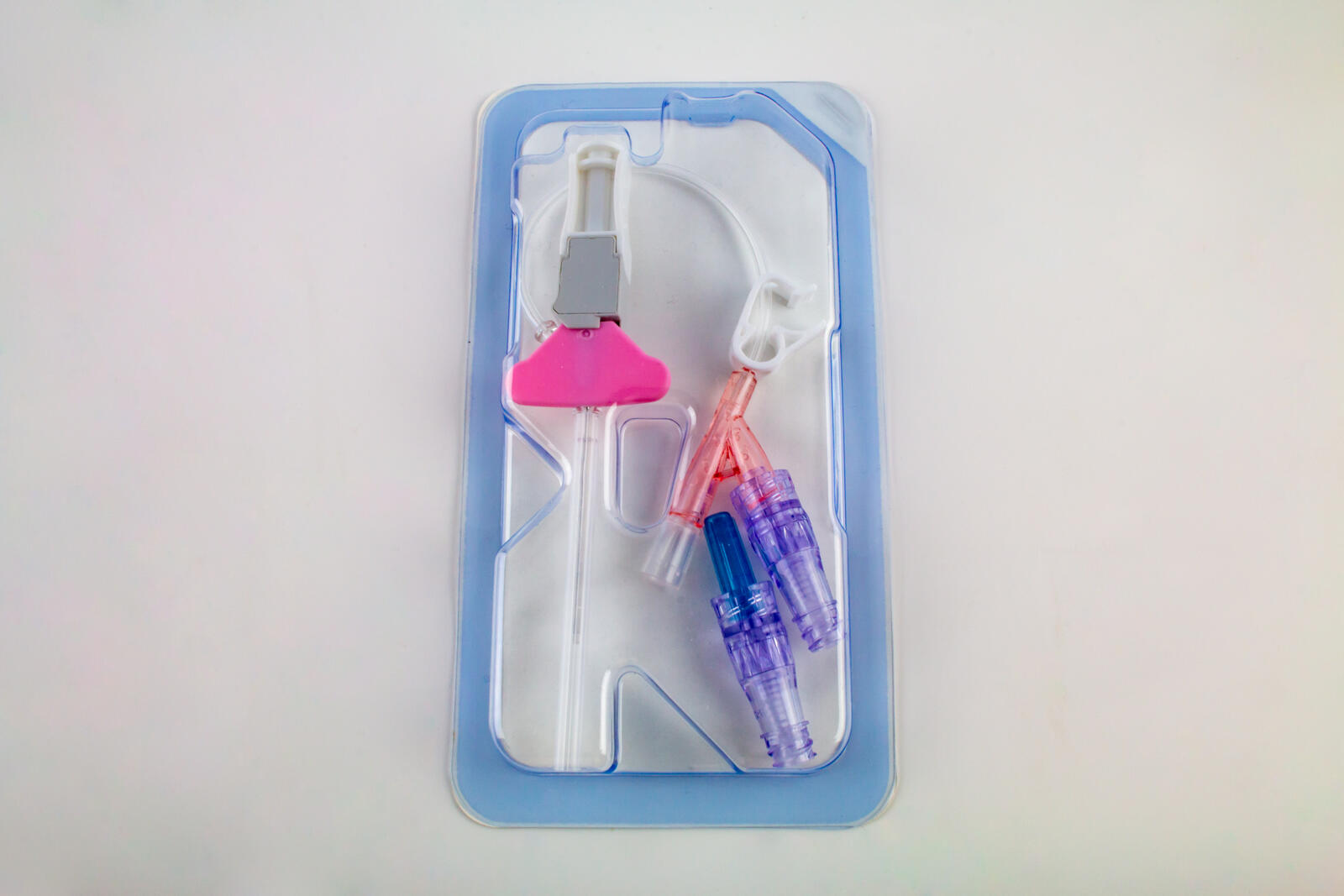
The VenoFlow™ CloSys™ closed and safety IV system addresses all three risks. Thanks to its fully closed fluid pathway, the system helps prevent blood exposure. In addition, the passive needle safety mechanism protects the user against needlestick injuries and possible exposure to blood-borne infections.
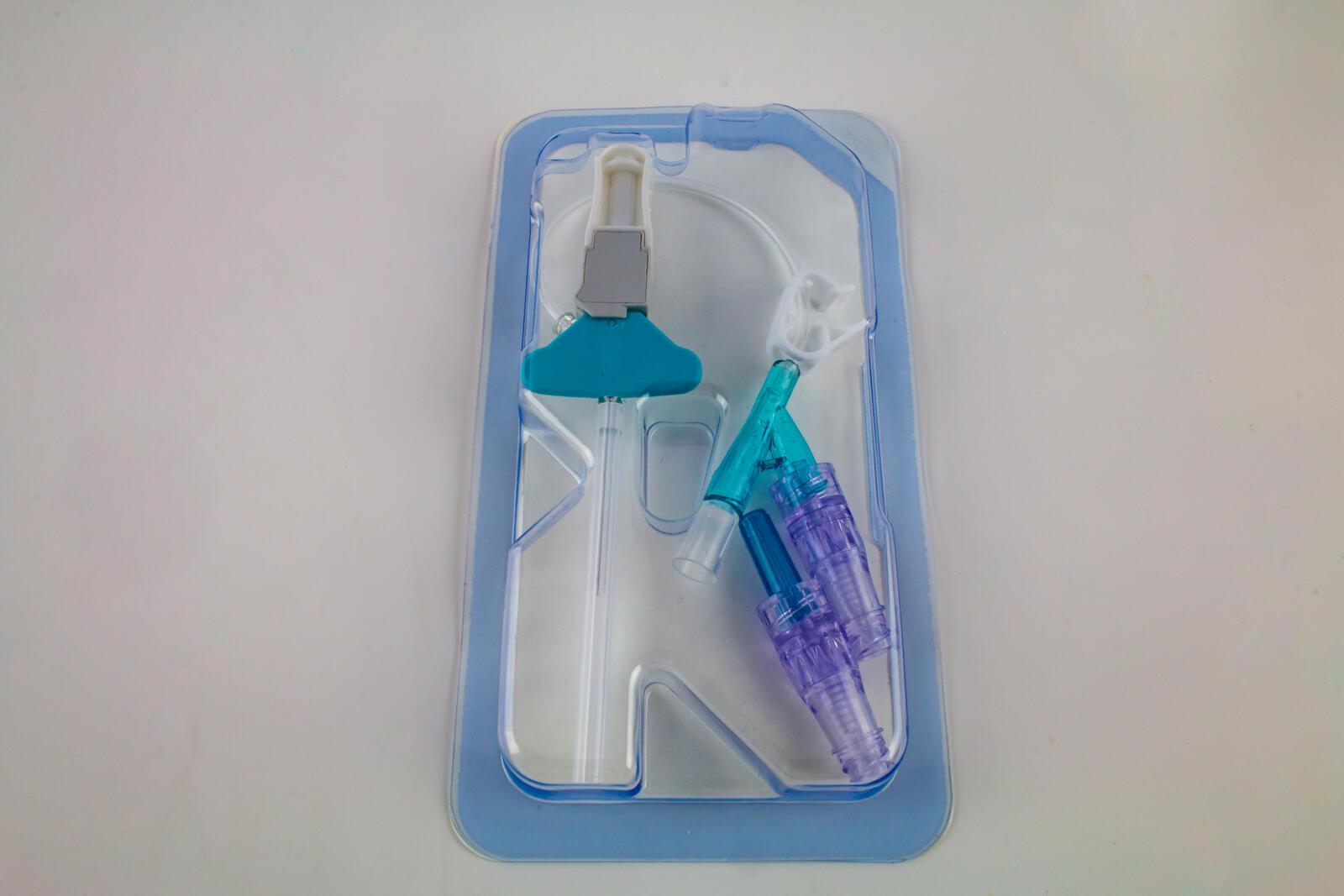
VenoFlow™ CloSys™ offers optimal ease of use and supports a careful, safe and time-saving workflow when inserting an infusion. Because the extension line and other accessories are pre-mounted, fewer separate components need to be connected. This reduces the number of handling steps and the associated risks.
As the accessories are pre-assembled on the extension line, the IV cannula no longer needs to be handled directly at the insertion site. This helps prevent unnecessary cannula movement, contributing to a reduction in the risk of mechanical phlebitis by up to 50%.⁶
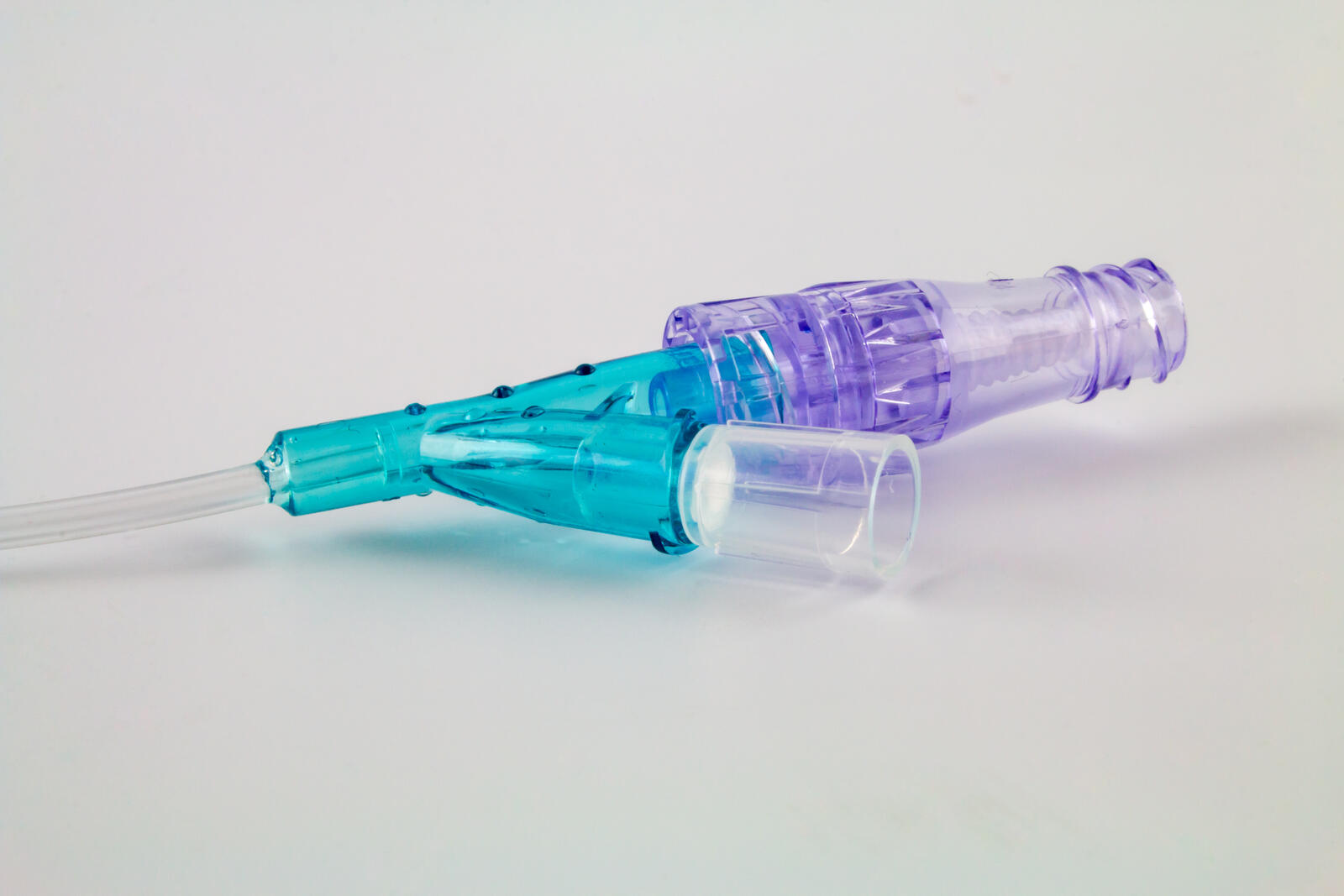
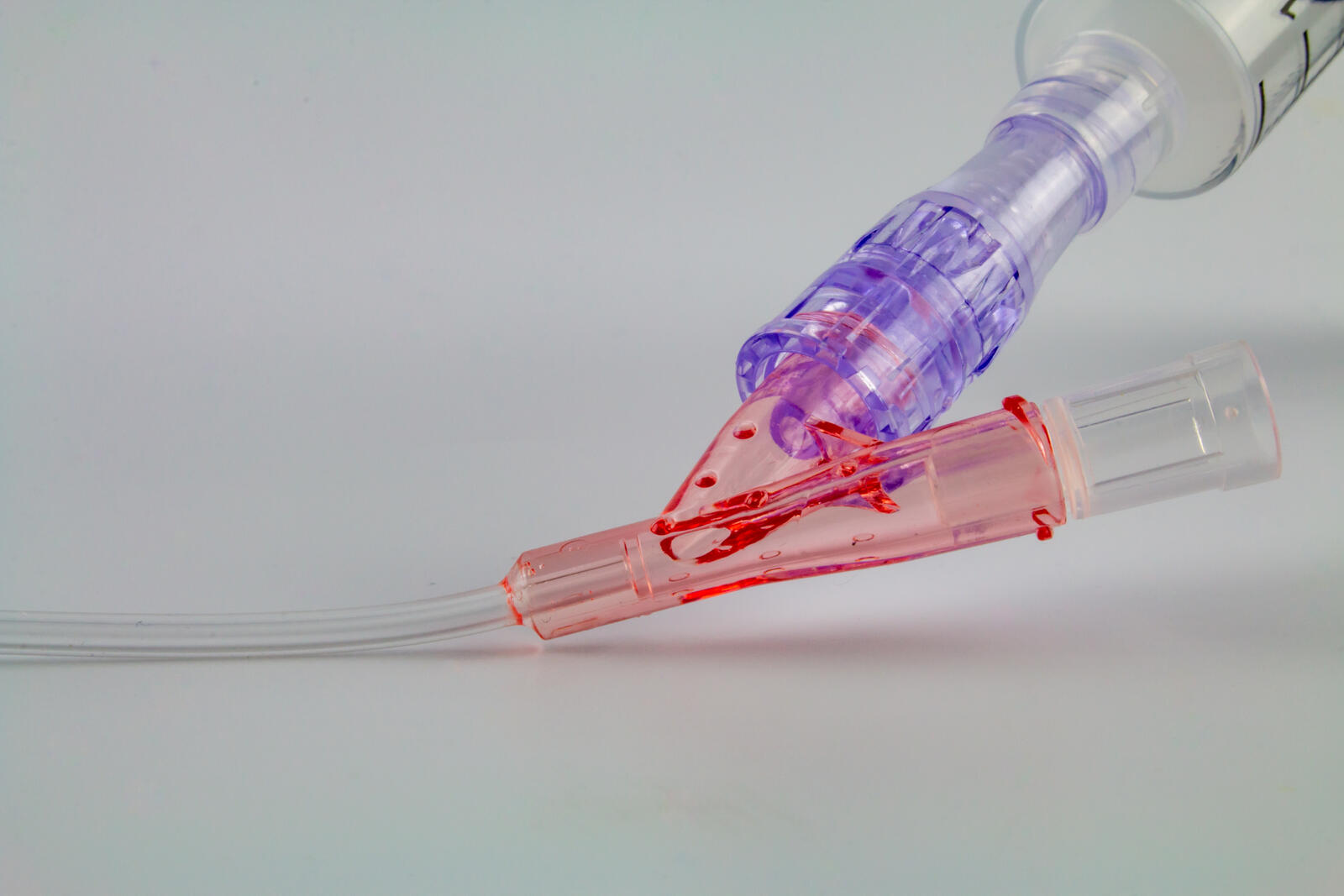
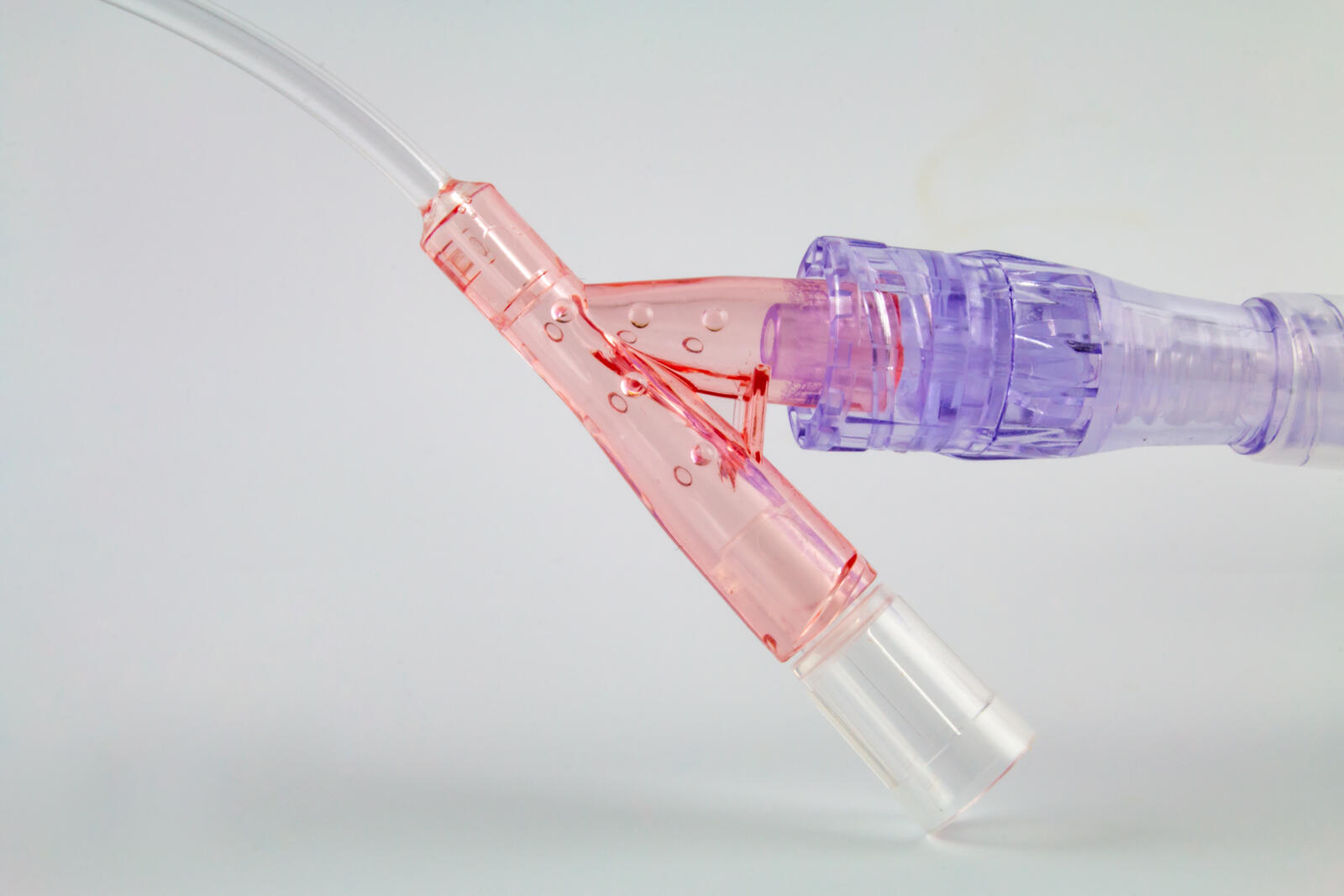
VenoFlow™ CloSys™ is designed for superior indwelling performance and features a clear flashback chamber and transparent connectors for optimal flow visibility. The system is available in two main versions: a straight Luer version and a Y-connector version. Both versions are available in various sizes and configurations. All available variants can be found in the product table.
Characteristics
- Closed IV system that helps prevent blood exposure
- Double safety: protection against needlestick injuries and blood-borne infections
- Passive needle safety mechanism
- Time-saving thanks to pre-mounted extension line and accessories
- Reduces the number of accessories to be connected and the associated risks
- Clear flashback chamber and transparent connectors for optimal flow visibility
- Suitable for power injection up to 325 PSI, except 24G
- Equipped with a clamp to open and close the fluid pathway
- Radiopaque PUR cannula
- Suitable for use with contrast media
- PVC- and latex-free
¹ Tarantola, A., Abiteboul, D., Rachline, A. (2006). Infection risks following accidental exposure to blood or body fluids in health care workers: a review of pathogens transmitted in published cases. Am J Infect Control, 34:367-375.
² Jagger, J., Perry, J., Parker, G., et al. (2011). Survey results: Blood exposure risk during peripheral IV catheter insertion and removal. Nursing, 42(12):45-49.
³ European Biosafety Network. (2013). Prevention of Sharps Injuries in the Hospital and Healthcare Sector. Implementation Guidance Toolkit for EU Council Directive 2010/32/EU.
⁴ Rijksinstituut voor Volksgezondheid en Milieu (RIVM). PREZIES Referentiecijfers 2024 Thema flebitis. Bilthoven: RIVM; 2024.
⁵ Werkgroep Infectie Preventie (WIP). Flebitis en bloedbaaninfecties door intraveneuze infuuskatheters. Leiden: WIP; 2015.
⁶ González López J, Arribi Vilela A, Fernández Del Palacio E, et al. Indwell times, complications and costs of open vs closed safety peripheral intravenous catheters: a randomized study. J Hosp Infect. 2014;86(2):117-126.